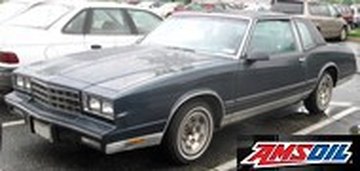
Maintaining Lubrication Integrity for the 1981 Chevrolet MONTE CARLO 3.8L
Proper engine maintenance is a cornerstone of long-term vehicle health, particularly for an engine that has been in operation for several decades. For the 1981 Chevrolet MONTE CARLO equipped with a 3.8L engine, consistent attention to lubrication and fluid integrity ensures that mechanical components continue to operate as intended. While many aspects of automotive technology have evolved since the early 1980s, the fundamental principles of monitoring fluid condition and inspecting for leaks remain vital for any owner.Monitoring Fluid Condition and Potential Leakage
One of the most effective ways to monitor the health of a 3.8L engine is through regular visual inspections. Over time, various seals and gaskets may undergo changes due to heat cycles and age. It is useful to periodically inspect the area around the engine for any signs of fluid seepage or active leaks. Finding evidence of oil residue on the underside of the engine or near sealing surfaces can be an early indicator that a component requires attention. When performing these inspections, look for:- Dampness or oily residue on various engine components and mating surfaces.
- Puddles or spots on the ground beneath where the vehicle is parked.
- Changes in the color or consistency of the oil when checked via a dipstick.
Observing Operational Warning Signs
Beyond visual inspections of the engine bay, an owner should remain attentive to how the vehicle behaves during operation. Changes in the way the engine sounds or smells can provide important clues regarding its lubrication status. For example, a distinct odor that may indicate oil is contacting a hot surface should be investigated promptly. Additionally, if any warning lights or indicators related to the engine appear on the dashboard, these should be treated with immediate attention. Unusual mechanical noises—such as tapping, knocking, or grinding—can sometimes be associated with lubrication issues and should not be ignored. Because many different mechanical issues can produce similar sounds or symptoms, it is best to consult a technician to identify the root cause rather than attempting to diagnose the problem through observation alone.Prioritizing Maintenance Based on Current Condition
For an older vehicle like the 1981 Chevrolet MONTE CARLO, maintenance strategies are often most effective when they are based on the actual condition of the vehicle rather than just its age or mileage. If you do not have a complete service history for the 3.8L engine, establishing a maintenance baseline is a practical first step. This involves documenting current fluid levels, the condition of various hoses and belts (if equipped), and any recent repairs. When deciding where to focus your efforts, prioritize addressing active leaks or symptoms that have already been identified. If you are working with an incomplete history, it may be beneficial to perform a thorough inspection of all major service items to ensure nothing has been overlooked. Distinguishing between necessary preventive maintenance and the unnecessary replacement of parts is key to efficient ownership. Rather than replacing components simply because they are old, focus on components that show physical signs of deterioration, such as cracking in belts or significant hardening of rubber hoses.Managing Long-Term Engine Health
Consistent record-keeping is a highly effective tool for long-term engine management. Keeping a detailed log of when oil was changed, which products were used, and any other fluids or filters that were replaced allows you to identify patterns over time. For instance, if you notice that the frequency of fluid top-offs is increasing, your records will help you determine exactly when this change occurred. As vehicles age, their maintenance needs may shift. An engine that has been meticulously maintained for decades may require different attention than one with a sporadic service history. By monitoring changes in how the engine responds to regular service, an owner can make more informed decisions about whether to continue with current practices or adjust their approach to better suit the engine's current state.Practical Inspection of Engine Accessories
During routine service, it is also beneficial to inspect other components that are integral to the engine's environment. If equipped, accessible drive belts should be checked for signs of wear such as glazing, fraying, or cracking. Similarly, if the vehicle is equipped with various hoses, inspecting them for brittleness or swelling can help prevent unexpected failures. Checking electrical connections and wiring harnesses for signs of corrosion or damage is another useful step during a routine inspection. Ensuring that all connectors are secure and free from debris helps maintain the integrity of the engine's electrical systems, which can indirectly affect how the engine operates and responds to maintenance.Buying Engine Oil for your 1981 Chevrolet MONTE CARLO 3.8L
When it is time to replenish your engine's lubricant, the most important step is to ensure the product matches the specific requirements of your application. To select the correct oil, match the engine oil to the application-specific viscosity information already displayed on this webpage. When you are ready to purchase, consider the following practical tips:- Always verify that the oil meets the appropriate API certification listed on the container.
- Check the product label carefully to ensure the grade matches what is required for your specific engine.
- Depending on your needs, you may choose between conventional, synthetic blend, or full synthetic formulations; however, always prioritize the viscosity and specifications provided in the application information above.
- If you are operating an engine with higher mileage, some high-mileage oil formulations contain additives intended for use in aging engines, including seal-conditioning additives.